The Summer I Turned Audits Into Action
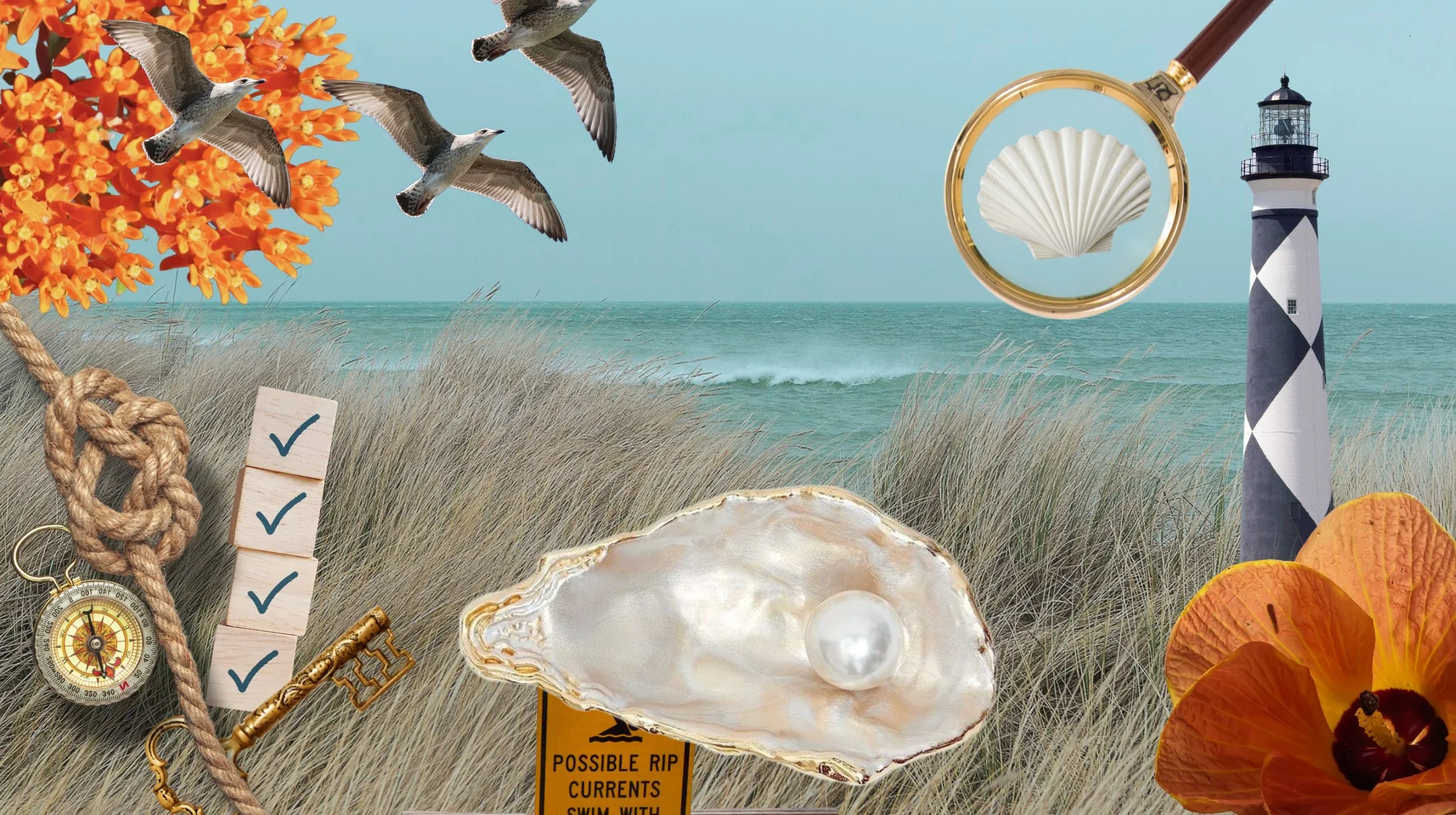
Is the word audit a scary word to communicate to entrepreneurs? Probably. But beyond tax season trauma, a brand audit (in my world) is designed to showcase opportunity. Instead of seeing it as a magnifying glass pointing out all your mistakes, picture it as a new pair of glasses, giving you the chance to see your company a little clearer by looking at things through a different lens.
No One Knows Your Company Like You Do
That’s true! But that’s also why an outside perspective is always critical. Like that questionable haircut you swore looked good in high school, sometimes we can’t see our own work for what it is.
Take my own website for example: I painstakingly designed it over the course of a couple of months, laying out three levels of services across three comprehensive pages, each filled to the brim with thoughtful details and case studies. A few months later, while discussing strategy with my business mentor, I realized: why on earth would anyone take the time to navigate to the second or third page? There was too much information, too much assumption that visitors already knew exactly what they were looking for, and it completely interrupted the experience of comparing services.
Blind spots are normal. The key is finding someone to not only point them out, but guide you through translating them into actionable ways to grow your business.
Case Study: The Swamp School
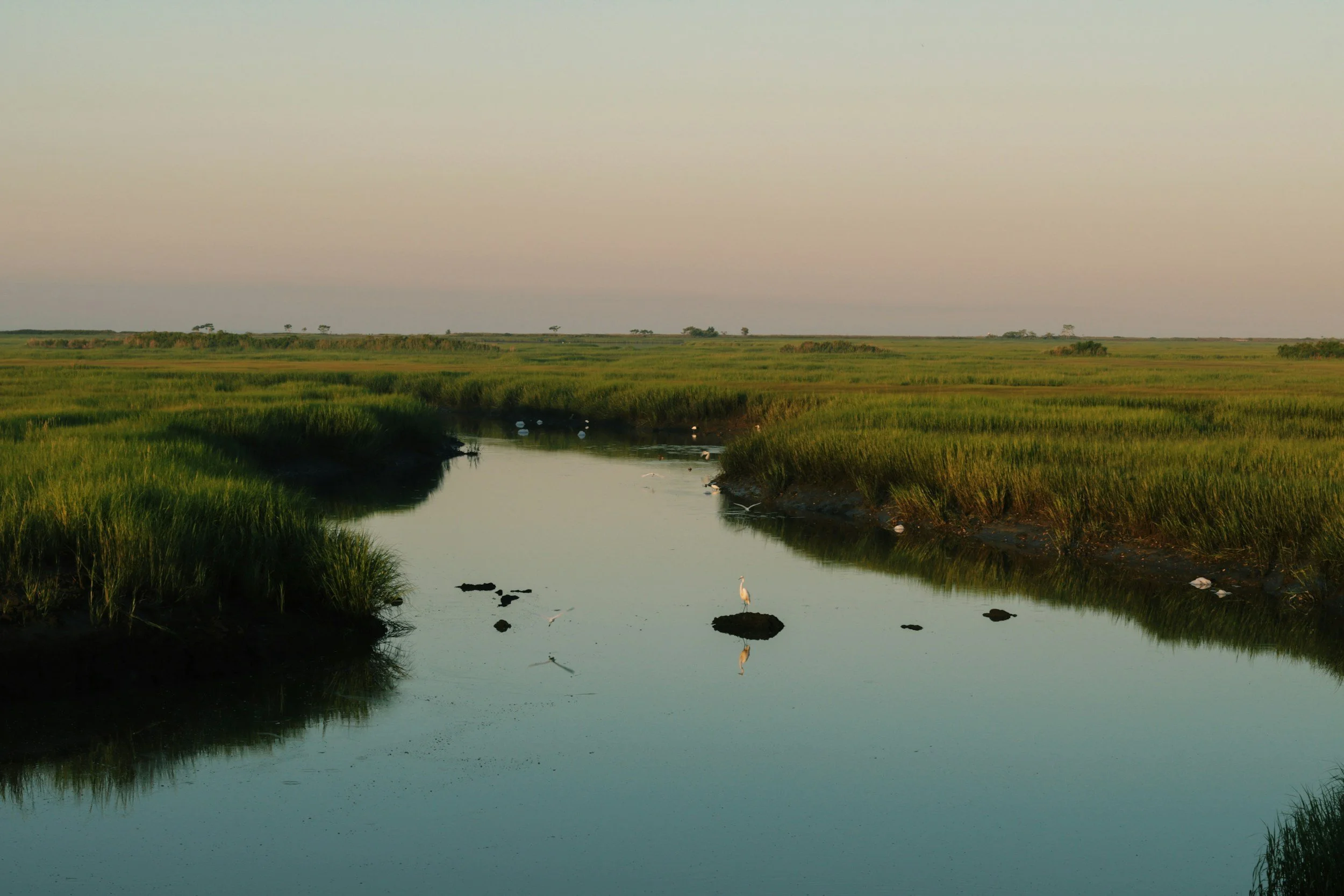
I kicked off this past summer by performing a brand audit for The Swamp School, a pioneer in delivering online and in-person educational programming for environmental professionals. To say they’ve already built a niche reputation for themselves is an understatement – having a growing global network of 10,000+ graduates choosing their programs to further their careers.
So why bother looking at the cracks in an ecosystem that is doing well? Because their students have evolved over the years, and it’s important that their communications keep up. The hard truth is paid ads won’t make a difference in enrollment if the students don’t make it to the registration page. The first step is to look holistically at the entire student journey, from the first inquiry to post-certification, identifying pain points, and ultimately designing a smoother customer experience.
Here are the top 3 action items we took to improve the student experience:
Streamlined Content & Copy: Having a lot to say on a subject is fantastic, but knowing how much and what kind of content your customers will absorb or find helpful is another thing entirely. It’s a lot like decluttering a home: combing through the site to eliminate lengthy or repetitive explanations was our first step. Through content and experience mapping, restructuring priorities created a runway for important messaging and calls to action to shine. This step also included flagging all broken links and error messages, designing a new architecture for the menu so it was easy to navigate, minimizing homepage sections, copy improvements, imagery suggestions, and a site accessibility review.
Categorizing Courses: With 75+ courses, the most frequently asked question The Swamp School received was “Which course is right for me?”. By utilizing segmentation and journey-based structuring, we simplified the process by organizing the catalog into different categories, giving them the ability to search by profession, or by department. Similar to how a traditional university is structured, it allows students to filter courses by how they identify, quickly connecting them to the best fit. Alleviating the overwhelm of options creates a seamless experience for students and also gives the staff an efficient way to answer their most common question.
Assessing Touchpoints: Analyzing every stage of the customer journey not only helps identify where people are getting stuck, but how to optimize calls to action. Guiding people from discovery to a decision point, and ultimately to advocacy for your brand requires intentionality. We conducted customer journey analysis and touchpoint evaluations to uncover where users hesitated, for both new students and alumni, so any type of visitor would feel empowered to get the information they need in as few steps as possible.
“You really captured the spirit of The Swamp School and helped us tell our story in a clear, authentic way.
The messaging and materials you created made a real impact on how we connect with our audience.”
- Marc Seelinger, Founder
Beyond brand refinement, what emerged was a clearer, more intuitive experience for learners. I’m happy to say that the success of the audit was the springboard for subsequent projects, tying together the story of the schools mission through other marketing materials like email strategy, presentations, and client proposals. My goal was always to put what makes their school special at the forefront of all their messaging. In the age of online courses being so often on auto-pilot, the staff at The Swamp School know how important access to real educators is. With decades of field experience, each instructor is whole-heartedly passionate about what they teach. And as it turns out, helping them identify and highlight the undercurrent of their “why” has become their biggest formerly-untapped source of future growth for their community.
From schools to bakeries to story-driven startups, my summer was full of strategy for a diverse range of businesses – and I enjoyed diving into each one. Because audits aren’t meant to be an interruption, a wet blanket, or a verdict, but a fresh plan of action. Whether you’re a start up looking to lay the groundwork or an established organization wanting to reevaluate your brand presence — long-term success begins with clarity.

Interested In Booking Your Own Brand Audit?
Community-first strategy lives here. Join us @stonesthrow.house.